

How do you measure progress towards net zero in transport?
You are expected to demonstrate progress on net zero. But without consistent, credible carbon reporting, it becomes difficult to compare performance, meet requirements and take meaningful action.
This webinar brings together experts across aviation, maritime, road and wider transport sectors to explore how carbon accounting and reporting can unlock real progress. You will hear how standardized approaches to emissions measurement, reporting and material use are supporting transparency, accountability and collaboration across the sector.
Webinar details
-
Date: Wednesday 30 September 2026
-
Time: 14:00–15:30 (BST)
-
Location: Online
What this webinar will cover
-
How standards underpin credible transport decarbonization, from emissions trading to GHG reporting.
-
Why consistent carbon reporting enables meaningful comparison and accountability across transport.
-
How aviation, maritime, road and supply chains can align approaches to tackle shared challenges.
-
The role of standards such as BS EN ISO 14083 and BS EN ISO 14064 in supporting carbon accounting.
-
Why decarbonization goes beyond emissions, including lifecycle impacts, material use and circularity.
-
How improved reporting supports collaboration across sectors and transport modes.
Event timings
-
14:00 - Welcome and introduction
-
14:10 - GHG management and reporting in aerospace.
-
14.30 - Carbon accounting across transport emissions.
-
14.50 - Circularity and material footprint.
-
15.10 - Panel discussion on cross-sector collaboration.
-
15.25 - Close.
Gain clarity and take action
Decarbonization is about more than setting targets. You need trusted frameworks, consistent data and a broader view of environmental impact.
Join this session to understand how standards support credible carbon accounting, improve collaboration and help you take practical steps across transport.

Speakers
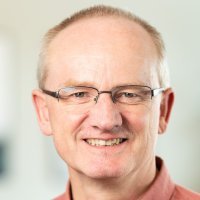
Alan Lewis Alan Lewis is a transport and environmental consultant who combines a role as Chief Technical Officer for Smart Freight Centre with freelance work. At SFC Alan helps deliver SFC’s technical work program, focusing on GHG calculation, reporting and SFC’s freight transport decarbonization programs including the Global Logistics Emissions Council, Clean Cargo, Clean Air Transport and the Sustainable Freight Buyers’ Alliance. Alan led the development of the GLEC Framework as the global industry guidance to calculate and report logistics emissions and was project manager for ISO 14083 which sets the standard for GHG calculation and reporting for all transport. Alan has been supporting DG Move in the development of its CountEmissions EU regulation. |

Michael Evans Michael leads the analysis of IAG's emissions to inform its Net Zero by 2050 Roadmap, and is responsible for fulfilling IAG's corporate sustainability reporting requirements. This involves coordination of the Group's emissions from across IAG's airlines and non-airline operating companies, in line with relevant GHG reporting standards. For the Group's airlines, emissions reporting also includes supporting compliance obligations with carbon markets such as the UK Emissions Trading Scheme, EU Emissions Trading System, Carbon Offsetting and Reduction Scheme for International Aviation and relevant sustainable aviation fuel policies in the UK and EU. Michael also leads the Group's advocacy on sustainability and emissions reporting and is also an appointed expert within the International Civil Aviation Organisation CORSIA implementation and long-range modelling working groups. |

David Fatscher Speaker bio pending |
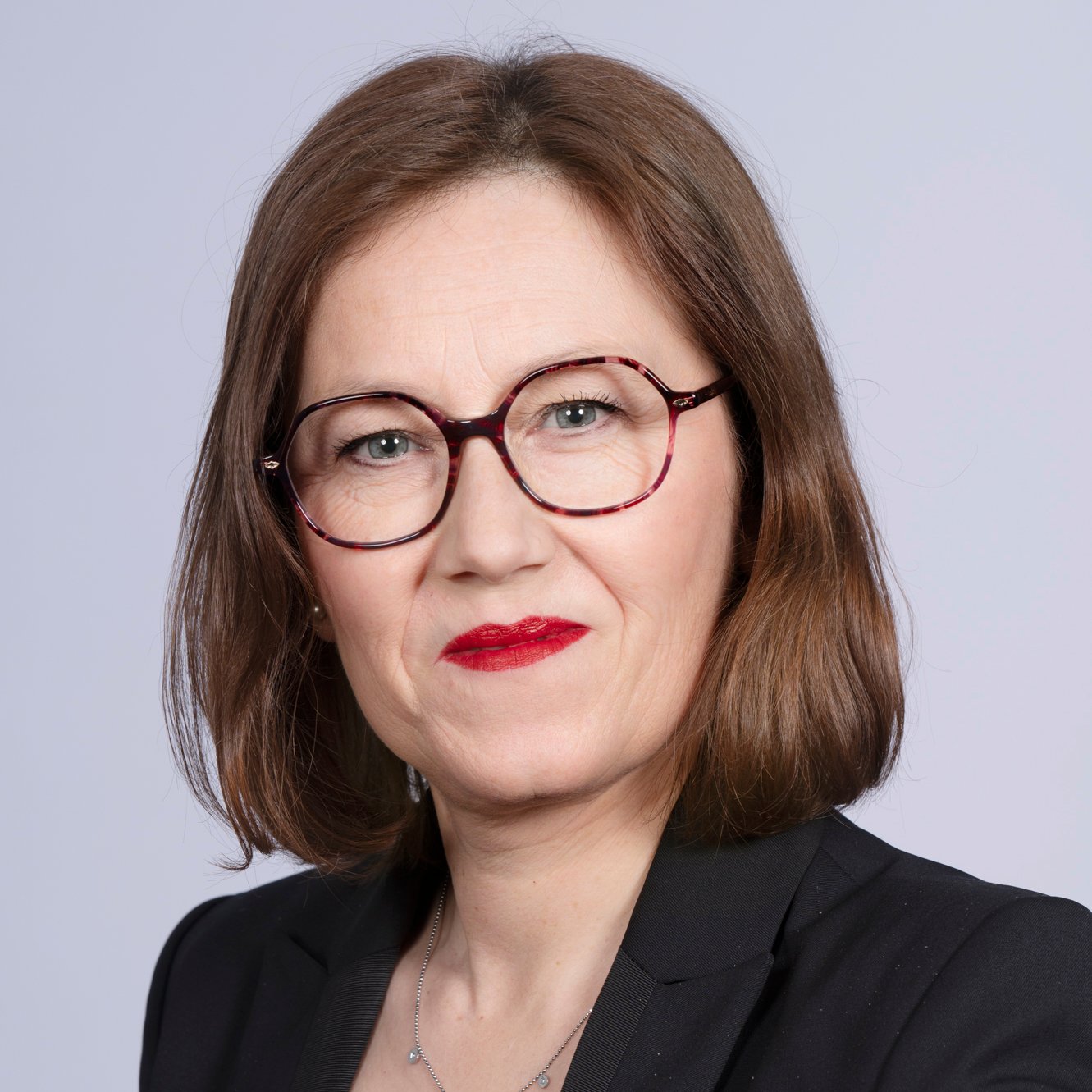 Isabelle De Keyzer Isabelle De Keyzer is a dedicated sustainability professional with over 20 years of experience working in international environments, particularly with the International Union of Railways (UIC). Since 2021, she has been instrumental in establishing and coordinating the UIC Circular Economy sector under the UIC Sustainability platform. Isabelle has led a diverse portfolio of projects, including the Rail Sustainability Index—a bespoke scoring tool that measures the ESG performance of UIC member railways against a set of United Nations Sustainable Development Goals. She has also spearheaded the 'REUSE' project, which compiles circular economy best practices from UIC members, and organized the 'Zero Waste Railways' best practice workshops. She has coordinated the drafting of the new IRS 30345 on environmental specifications for new rolling stock. Inspired by the concept of biomimicry, Isabelle's motto is, "There can be no business on an uninhabitable planet." She holds a university degree in Circular Economy and Collective Intelligence from the IUT of Sceaux, Université Paris-Saclay, France. Isabelle De Keyzer is a sustainability professional with extensive international experience in the railway sector. Since 2021, she has established and coordinated the Circular Economy sector within the International Union of Railways (UIC) Sustainability Platform. She leads key initiatives promoting sustainability and circularity in rail, including the Rail Sustainability Index, the REUSE project on circular economy best practices, and the Zero Waste Railways workshops. She also coordinated the development of UIC International Railway Solution IRS 30345 “Environmental specifications for new rolling stock” to be released soon. Isabelle holds a university degree in Circular Economy and Collective Intelligence from Université Paris-Saclay (France) and is committed to advancing sustainable transformation in the railway industry. Isabelle De Keyzer coordinates the Circular Economy sector of the International Union of Railways (UIC) Sustainability Platform. She leads initiatives on circularity and ESG performance in railways, including the Rail Sustainability Index, the REUSE project, and the development of environmental standards for rolling stock. She holds a degree in Circular Economy and Collective Intelligence from Université Paris-Saclay and is dedicated to advancing sustainable transformation in the railway sector. |