



Can AI infrastructure become more efficient by design?
Artificial intelligence requires growing computing capacity. But delivering that capacity also creates important questions about energy, network performance, resilience and sustainability.
Much of the discussion has focused on supplying energy to data centres. However, our free webinar – taking place during BSI Net Zero Week 2026 - shifts attention towards reducing demand at source.
You’ll explore technologies designed to change how AI systems process information and transfer data. These include future compute architectures, photonics interconnects, optical networking and next-generation network switches.
Our expert speakers will make these technologies accessible and examine where they could deliver practical sustainability benefits. You’ll also consider how standards and governance can support trusted, resilient and sustainable AI deployment across organizations.
Webinar details
-
Date: Tuesday 29 September 2026
-
Time: 15:00–16:30 (BST)
-
Location: Online
By attending, you’ll gain insights on:
- How you can balance digital innovation with energy security and sustainability goals.
- How future compute approaches could reduce the resources required by AI systems.
- How photonics could enable faster, lower-power data transfer across digital infrastructure.
- Why network switch technology matters when scaling AI efficiently.
- How organizations can build more resilient AI ecosystems.
- How standards and governance can support trusted and sustainable AI deployment.
- What environmental, economic and societal opportunities next-generation computing could create.
Event timings
- 15:00 | Welcome and introduction
- Explore the infrastructure challenge created by increasing demand for AI, with scene-setting from Ben Sheridan, BSI.
- 15:10 | Building a Sustainable Digital Future: Future Compute
- Discover approaches to powering AI systems while balancing innovation, energy security, resilience and sustainability. Hear from Dr Markus Hellenbrand, Assistant Research Professor, Department of Materials Science, University of Cambridge.
- 15:20 | Photonics and the energy challenge facing digital infrastructure
- Explore how photonics interconnects, optical networking, and network switch technology could support faster and more efficient AI systems. Hear from Mark Rushworth, CEO, Finchetto Ltd.
- 15:30 | Additional expert perspective
- 15:40 | Cross-sector discussion
- Consider the opportunities, challenges and actions surrounding next-generation technologies for sustainable computing.
- 15:55 | Live Q&A
- Ask your questions about efficient AI infrastructure, emerging technologies, governance, and sustainability.
- 16:15 | Wrap-up and close
Help shape a more sustainable digital future
AI infrastructure decisions made today will influence future energy demand, system resilience and environmental impact. Join the discussion to understand the technologies addressing these challenges at source. You’ll gain informed perspectives to support your planning, investment, governance, or innovation priorities.
You can also submit a question for the live Q&A before the webinar, giving the speakers an opportunity to address the issues most relevant to you.
Speakers
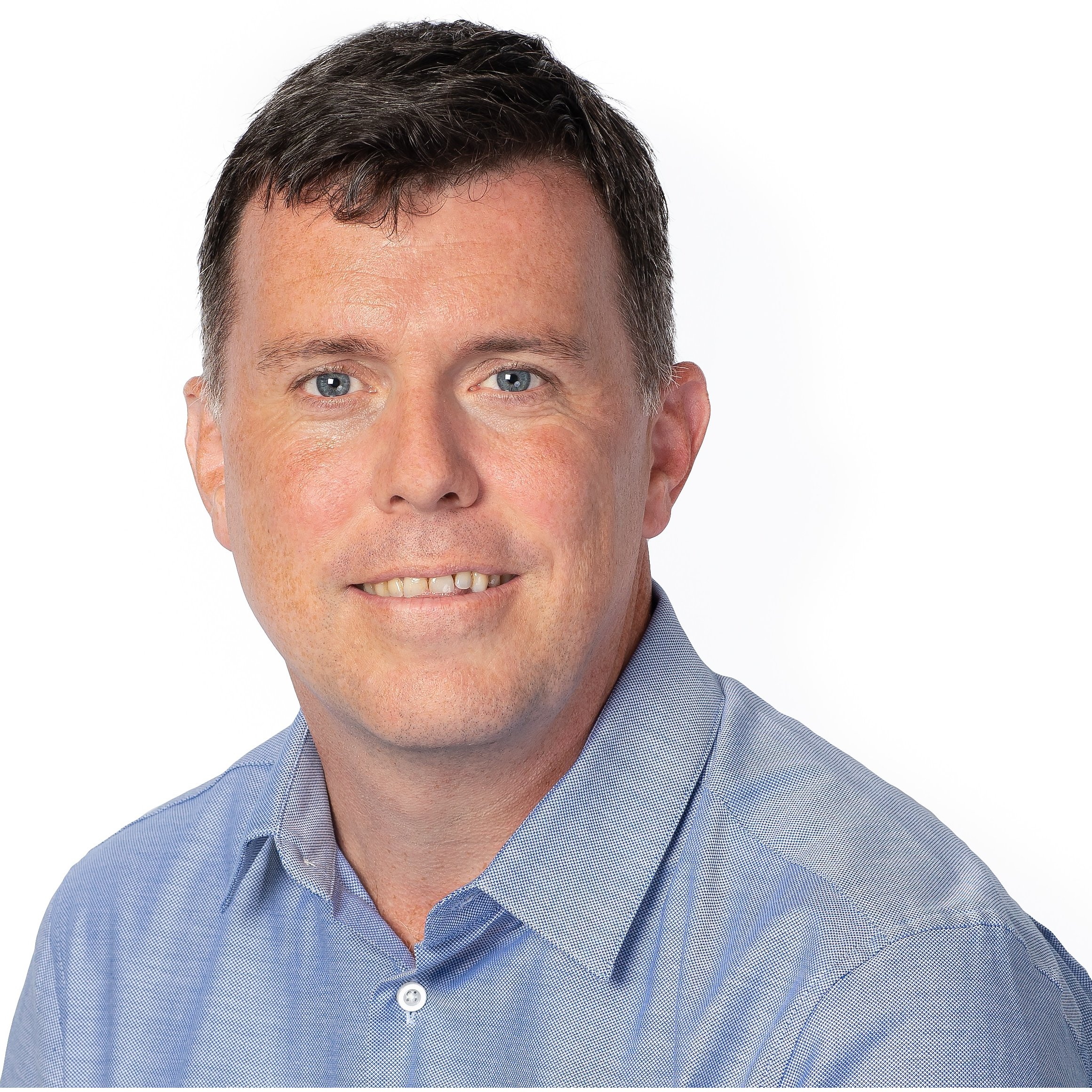
Ben Sheridan Ben Sheridan is digital infrastructure sector lead at BSI with extensive experience at the intersection of standards, innovation, and industrial strategy. He leads engagement across emerging and advanced technology sectors, helping to shape collaborative programmes that bring together industry, government, academia, and standards bodies. His work has focused on areas including semiconductors, digital infrastructure, engineering biology, and quantum technologies, with a particular emphasis on translating complex technical and regulatory challenges into practical frameworks that support innovation, quality, safety, and market growth. Ben is recognised for building strategic partnerships, influencing policy discussions, and identifying how standards can accelerate technology adoption, strengthen supply chains, and enhance the UK's industrial competitiveness. |
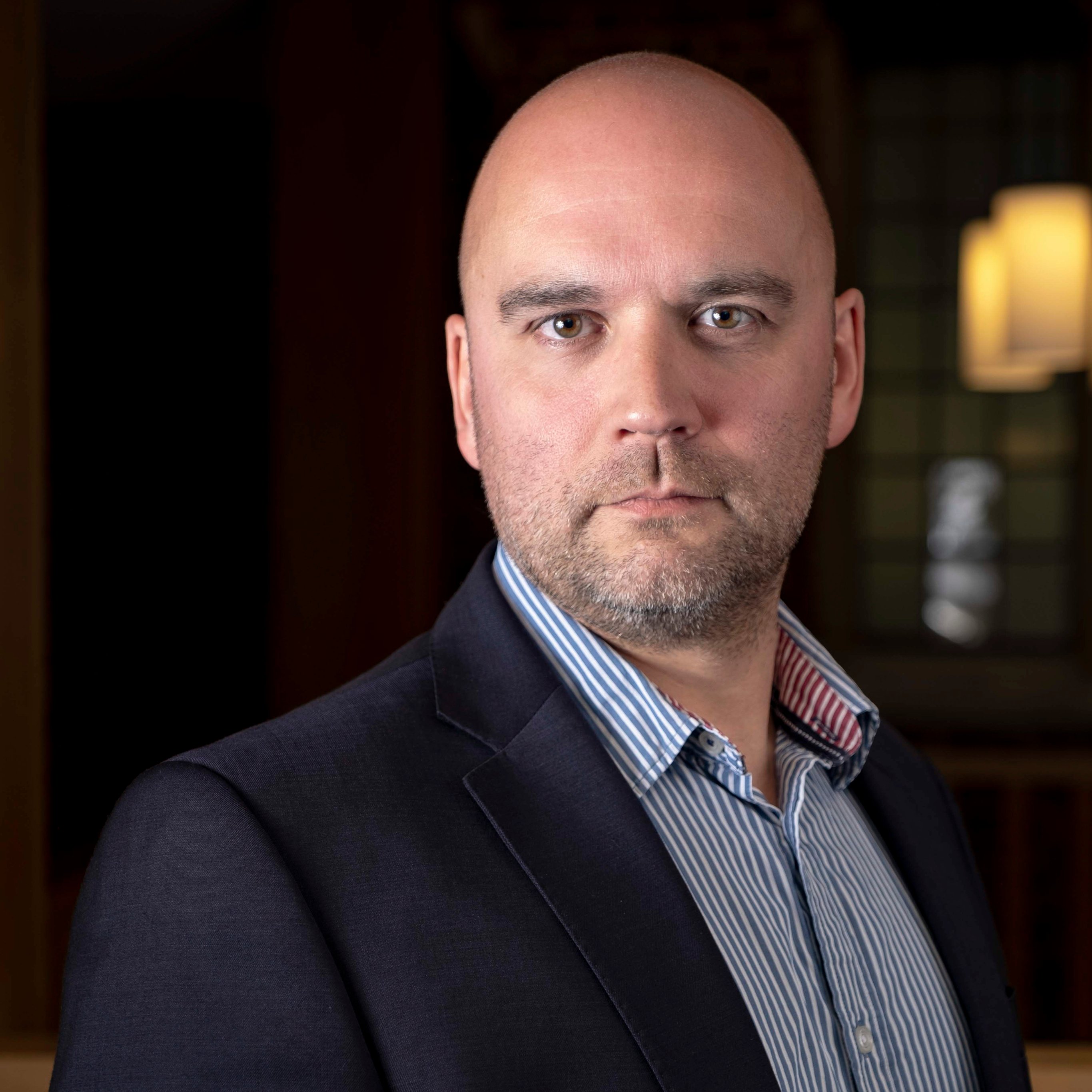
Mark Rushworth Mark Rushworth has over 20 years’ experience leading early-stage, multi-stakeholder technology R&D projects through to commercialisation. Mark holds certificates in integrated photonics design, and delivers the photonics module of the IET semiconductor course. |
Dr Markus Hellenbrand Dr Markus Hellenbrand works on materials deposition, device fabrication, and electrical characterisation of ferroelectric and resistive switching devices for memory and in-memory computing applications. He has a particular interest in CMOS-compatible materials such as hafnium oxide, zirconium oxide, and silicon oxide. For these materials, he is investigating both fundamental properties and large-scale integration. Dr Hellenbrand is a founder and co-director of the Cambridge Centre for Neuromorphic Materials with the aim of fostering technology co-development across the technology stack of future memory and computing technologies. |